
How to Deposit Money Using OPay in Nigeria
Edited By
Rachel Morgan
Starting Point
Managing your money smoothly on digital platforms has become essential, especially for sports enthusiasts and traders who need quick access to funds. OPay offers various straightforward ways to deposit money into your wallet, making it easy to place bets, pay for subscriptions, or trade without delays.
This guide breaks down practical deposit methods tailored for Nigerians, including bank transfers, USSD codes, agent locations, and linking your bank account directly to OPay. Each method suits different needs and convenience levels, ensuring you stay in control of your ₦ across devices.

Knowing the right steps avoids common hiccups like failed transactions or delays, which can be particularly frustrating when timing matters, such as during last-minute bets or market trades. We’ll also share tips to keep your transactions smooth and how to troubleshoot if problems arise.
Depositing into your OPay wallet doesn't have to be complicated. With clear steps and options, you can fund your account efficiently and focus on your activities without cash flow interruptions.
Understanding these deposit options helps you pick what fits your lifestyle best. Whether you prefer heading to a nearby OPay agent to fund your wallet in cash or opting for the convenience of USSD codes, this guide keeps you ahead.
Stay with us as we explore each deposit channel, their requirements, and the little tricks that can save you time and naira. Proper wallet management ensures you maximise every betting slip or market move without waiting around for transactions to clear.
Understanding OPay and Its Wallet Features
Grasping the features of OPay and how its wallet works is fundamental if you want to manage your money smoothly on the platform. OPay provides a digital wallet that Nigerians can use not only for storing funds but also for making payments, transfers, and other financial transactions without the hassle of visiting banks frequently. This section breaks down OPay’s services, the benefits of its wallet, and transaction types to help you fully appreciate what’s possible.
Overview of OPay Services in Nigeria
OPay operates as a comprehensive fintech platform designed to ease daily financial transactions for millions of Nigerians. Beyond just payments, it integrates services like bill payments (for electricity, water, DSTV), airtime top-ups, and ride-hailing payments within one app. For instance, if you're in Lagos taking a ride with OCar—a service under OPay—the payment can be settled directly from your wallet without cash exchange.
This convenience extends to merchants and even small businesses such as mama puts and barbing salons who use OPay agents to receive payments. Through this ecosystem, OPay supports financial inclusion by reaching users with limited access to traditional banking.
Benefits of Using the OPay Wallet
Using OPay’s wallet goes beyond convenience; it’s about speed, security, and cost-efficiency. Firstly, deposits and transfers within the app happen instantly, which is a major plus for those who depend on quick turnaround—like sports bettors awaiting funds to place wagers. Also, the wallet acts as a safe store of funds because OPay is regulated by the Nigerian Financial Regulatory Authorities, ensuring your money is protected.
One example is avoiding the naira cash-out stress during ember months when queues at ATM points can get ridiculous. Funding your wallet beforehand with OPay lessens your movement and waiting time. Plus, low transaction fees compared to banks add up to real savings monthly.
Types of Transactions Supported by OPay Wallet
OPay wallet supports diverse transactions that cover a broad financial activity spectrum. These include:
Peer-to-peer transfers: Send money to friends, family, or businesses instantly.
Bill payments: Settle utility bills, from electricity (PHCN/DISCO) to internet services, directly using your wallet.
Airtime purchases: Buy airtime across Nigeria’s major telecom providers like MTN, Airtel, or Glo.
Merchant payments & online shopping: Pay for goods and services on platforms like Jumia Nigeria or at local stores accepting OPay.
Transportation fares: Use wallet balance for OCar and ORide services without fumbling for cash.
Remember, the wallet’s versatility means you carry multiple financial tools under one app, perfectly suited for the busy and connected Nigerian.
Understanding these features offers a solid foundation before you begin depositing money. It also ensures you can make the most of OPay’s wallet to simplify your financial life, whether for daily errands or managing betting transactions securely and efficiently.
Step-by-Step Guide to Depositing Money into Your OPay Wallet
Knowing how to top up your OPay wallet is essential for anyone using the platform regularly, especially if you're into sports betting, market trading, or keeping up with live analyses. This guide walks you through the common ways to deposit, ensuring you avoid delays and can manage your funds smoothly.
Depositing via Bank Transfer
Getting Your OPay Bank Details
To deposit via bank transfer, you first need your unique OPay bank account details. These are usually displayed within your OPay app under the 'Deposit' or 'Bank Transfer' section. This account acts like a virtual point where your money lands before reflecting in your wallet balance. For example, if you use First Bank or GTBank, this detail lets you send your money directly without third-party delays.
Initiating the Transfer from Your Bank
Once you have the bank details, use your bank’s mobile app, internet banking, or USSD service to initiate the transfer. Enter the OPay detail as the beneficiary account, specify the amount, and complete the transfer. Bear in mind that different banks have various cut-off times and fees, so check your bank's policy to avoid surprises. For instance, making the transfer late at night might delay the credit.
Confirming the Deposit
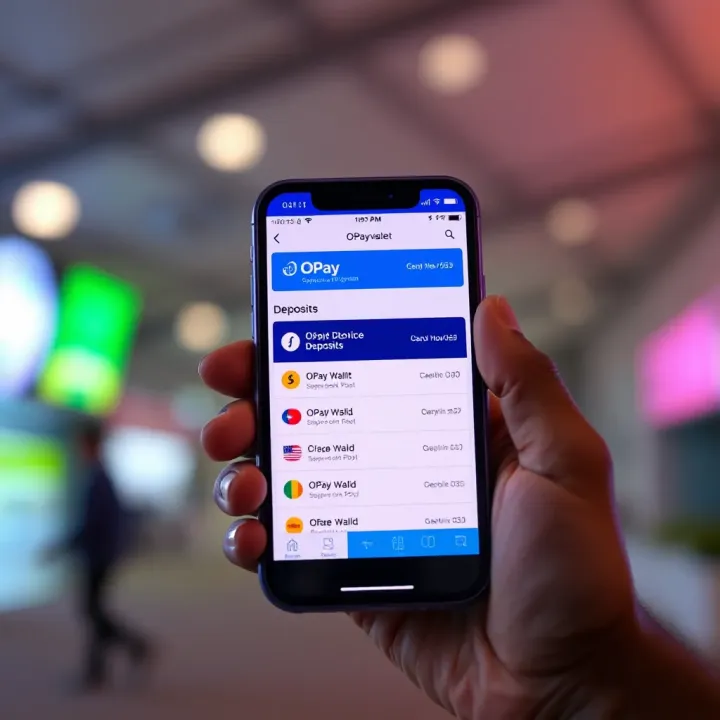
Deposits via bank transfer usually reflect within minutes but can take up to an hour depending on the bank and network status. Always check your OPay wallet balance after a short wait. If it doesn't update, use the transaction reference from your bank to track or contact OPay support. Keeping this reference handy avoids confusion, especially during high-traffic periods like the ember months.
Using USSD Code to Fund Your Wallet
Dialing the OPay USSD Code
If you prefer not to use internet banking, the USSD method is a quick option. Dial *955# on your phone to access OPay’s menu directly, no smartphone or data subscription needed. This is particularly useful for market traders who might be on the move and rely on basic phones.
Following the Menu Prompts
After dialing, you’ll see options guiding you to fund your wallet. Typically, you select 'Deposit', enter the amount, then provide your wallet ID or phone number linked to OPay. The clear prompts ensure even first-timers navigate without stress, making funding your wallet easier whether you’re at the barbing salon or travelling in a danfo.
Completing the Deposit
Once you enter the required information and confirm, funds deduct from your mobile wallet or linked account. The USSD transaction concludes with a confirmation message and instant wallet credit. This method avoids HTTP errors common with some apps during peak hours.
Funding Through OPay Agent Locations
Finding the Nearest Agent
OPay has a network of agents scattered in markets, malls, and residential areas. Use the app’s built-in locator or call customer care to find the nearest agent. Agents are usually found at busy hubs like Lokoja market or Lekki Phase 1.
Making Cash Deposit to the Agent
At the agent’s location, hand over your cash and wallet ID or phone number. Agents will process the deposit instantly. This method is handy when you want to deposit cash without visiting a bank or have limited digital access.
Verifying Transfer into Wallet
After the agent confirms, check your wallet balance immediately on the app. If the credit is delayed, ask the agent for a receipt or transaction code. Persisting delays are rare but should be reported quickly to OPay support.
Linking a Bank Account for Direct Deposit
Adding Bank Account to Your OPay Wallet
Linking your bank account within the OPay app streamlines deposits. You’ll add your account details once, then fund your wallet directly without extra steps. This convenience benefits daily users like sports bettors who need quick access to funds.
Transferring Funds Instantly
With your bank linked, transfers within OPay happen instantly. For example, you can use your Zenith Bank account linked to OPay to move money in seconds, avoiding delays and multiple transaction steps.
Managing Multiple Bank Links
OPay allows users to link more than one bank account. This flexibility helps manage funds from different sources, like a savings account and a main spending account, refreshing your wallet from whichever suits you best with ease.
Mastering these deposit methods optimises your OPay wallet experience, keeping your funds ready for whatever the day throws at you, be it a last-minute bet or a market opportunity.
Common Challenges and How to Address Them
Handling money digitally through platforms like OPay sometimes hits snags, especially in Nigeria where network issues and banking delays are common. Understanding these common challenges and knowing how to tackle them will save you unnecessary stress and downtime. For instance, if your deposit doesn’t show up immediately or your USSD transaction fails, having the right steps to follow helps prevent panic and quick resolution.
Deposit Not Reflecting on Wallet
Waiting Period for Bank Transfers
Bank transfers to your OPay wallet typically take from a few seconds up to 24 hours, depending on the banks involved. Some Nigerian banks or financial institutions might process interbank transfers slower during peak hours or ember months when transaction volumes increase. This delay doesn’t mean your money is lost – it’s usually the bank’s internal processing causing the wait.
Checking Transaction Status
Before assuming there’s a problem, check your bank's transaction history and the OPay app to confirm the transfer status. OPay usually updates the wallet balance soon after successful transfers. If you see deducted amounts in your bank statement but no change in OPay wallet, you should note the transaction reference number and time for follow-up.
Contacting OPay Support
When delays persist beyond 24 hours, contacting OPay customer support becomes necessary. You can reach them via the in-app help centre or their official social media accounts. Provide clear details like transaction reference, amount, and time to speed up resolution. Nigerian support teams are generally responsive but having all info ready helps avoid back-and-forth delays.
Failed USSD Transactions
Understanding USSD Errors
USSD transactions fail sometimes due to incorrect inputs, service downtime, or network glitches. For example, typing a wrong wallet number or amount can immediately cause an error. It’s essential to double-check all details during the transaction to avoid such hitches.
Network Issues and Workarounds
Poor mobile network is a major hurdle in Nigerian USSD services, especially in rural areas or during bad weather. If you get disconnected mid-transaction, wait a few minutes before trying again. Switching to a different network provider temporarily, if possible, can also help if your usual network remains unstable.
Retrying Safely
Avoid multiple fast retries when a USSD transaction fails, as this can lock your session or cause multiple debits. Instead, wait for confirmation from your network or OPay before trying again. If unsure, check your bank balance and wallet to avoid double charges.
Security Tips When Depositing
Avoiding Fraudulent Agents
When funding your OPay wallet using agents, only use verified, popular dealers especially in busy markets or malls. Fraudulent agents might promise quick deposits but end up taking your cash without crediting your wallet. Ask for referrals or check OPay’s official list of agents for your area.
Protecting Your PIN and Password
Never share your wallet PIN or password with anyone, even close friends or family. Always use a strong, unique password for your OPay app and change it regularly. Avoid entering sensitive details while connected to public Wi-Fi or unfamiliar devices.
Verifying Payment Receipts
Always request and keep your payment receipt, whether digital or printed, after every deposit. This proof comes handy if disputes arise. Cross-check that the receipt details match your deposit amount and transaction date before leaving an agent.
Taking a proactive approach to these common issues guarantees safer and smoother deposit experiences on OPay. Planning ahead and knowing what to expect can save you lengthy delays and money loss.
Tips for Efficient Money Management on OPay
Managing your money effectively on OPay helps you avoid unnecessary spending and keeps your finances in check. Whether you are a bettor, market trader, or just someone using the platform for bills and transfers, a good money management approach ensures you get the best out of every naira deposited.
Setting Deposit Limits for Budget Control
Setting deposit limits within your OPay wallet is a smart way to control how much you fund your account regularly. For example, if you usually spend ₦20,000 monthly on sports betting, setting a deposit limit around this amount prevents overspending. You can access these settings through the OPay app under the wallet management section. By doing this, it becomes easier to stick to your budget and avoid temptation during urges to top-up impulsively, especially during periods like the ember months when extra spending is common.
Using OPay for Bills and Transfers
OPay is more than just a wallet for depositing money; it doubles up as a convenient tool for paying bills and sending money across Nigeria. Suppose you are a trader in Lagos who needs to pay electricity bills or local taxes. You can use your OPay wallet to settle these without queuing at the bank or needing cash. The platform supports payments for utilities, DSTV, GOTV, and even broadband services. This allows you to consolidate your transactions in one place and monitor your expenses effectively. Plus, transfers to other OPay users or bank accounts are instant, which can be useful for quick business payments or sending funds to family.
Regularly Updating the OPay App
Keeping your OPay app updated is essential for smooth operations and security. Most updates patch vulnerabilities, introduce useful features, and improve the speed of transactions. If you ignore app updates, you may face transaction delays or errors that could disrupt your budget plans. For instance, during a major football event, failure to update might prevent you from quickly funding your account to place bets, leading to missed opportunities. Always check the Google Play Store or App Store for the latest version and update promptly when a notification appears.
Efficient money management on OPay not only protects your funds but also helps maintain financial discipline in your daily activities. Small habits like limiting deposits, using the wallet for regular payments, and updating your app regularly go a long way in ensuring you stay on top of your finances.
By following these tips, you sharpen control over your wallet usage, avoid unnecessary charges and delays, and make your financial interactions with OPay as stress-free as possible.
FAQ
Based on 5 reviews